2026 in books (part 1)
In trying to write more, I have broken up the year into two parts. Here are my recommendations from the first half of 2026!1. László Krasznahorkai: Sátántangó
HVG Könyvek, 2025
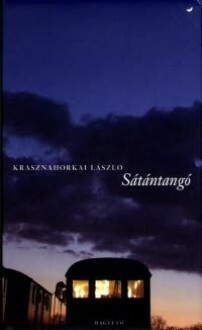 Krasznahorkai is the winner of the 2025 Nobel Prize and this is one of the classic novels of 20th century Hungarian literature, yet it was the first time I took it in my hands this year. And maybe for the better, as I don't think I would have appreciated the depth, had I read it sooner. This book is odd, yet brilliant and for me, almost magical. The way Krasznahorkai manages to capture the stifling emotions of hopelessness and convey this feeling of being stuck for eternity in a place where nothing happens is incredible.
It isn't easy to read, nor is it pleasant at places. Yet the overall effect it had on me was long lasting. The Great Plain of Hungary has produced some of my favourite writers, but I haven't read anything quite as oppressive yet magical as this book.
2. Paul Lynch: Prophet Song
Oneworld Publications, 2023
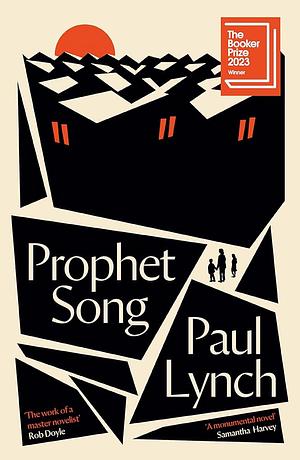 I've been burned by some Booker Prize winners and shortlisted books in past years, so I reached for this one cautiously despite the positive reviews, but a book club made me take it off the shelf this year. Having read The Handmaid's Tale, 1984, and having grown up in Eastern Europe, where stories of oppression are called 'history', I didn't find the premise revolutionary, and that feeling lingered until about 100 pages in.
Yet, I came away feeling that Paul Lynch did manage to write something that is unique, at least in Western literature: he brings the terrors of war and oppression close to home. With so many conflicts going on around the world, there is an underlying assumption in most Western countries of 'this cannot happen to us'. That is what this book aims to challenge, by zooming in on a transition from normal life to that of an oppressive regime. Many of the images will be familiar from documentaries or reports, except that the characters are usually not called Eilish, Larry or Mark and neither do they live in suburban Dublin.
3. James Rebanks: The Shepherd's Life
Penguin, 2025
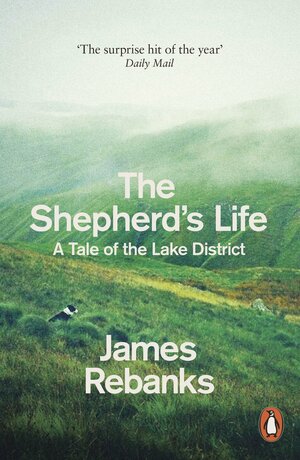 I received this half as a joke (a play on my last name), but it turned out to be a seriously good read. In this memoir, Rebanks is teaches us about shepherding in the 21st century, blending it with sociography and a history of the Lake District. This charming part of the UK becomes even more vivid following the descriptions of a man whose family farmed there for generations. From sheep shows to flock quality, from the grazing habits of different breeds to shepherd dog training, there is a lot that Rebanks covers, giving an insider's view of a world that has been completely unknown to me, while weaving in anecdotes about his family spanning a century. Surprisingly easy to read, and a unique account from a group whose stories are rarely told, much less in such exquisite ways.
4. Raymond Carver: What we talk about when we talk about love
Penguin Vintage, 2025
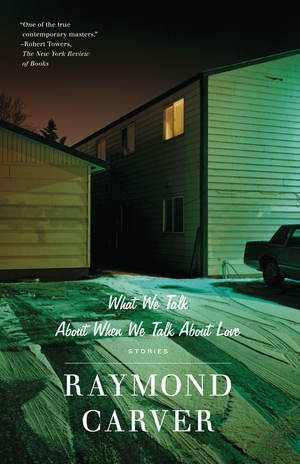 Every now and then, there are some books I have no idea how they got on my list, and this is one of them. But I'm very glad it did, because it was a refreshing, if at times dark, peek into a world I know very little about. Mainstream US cultural export rarely touches on working-class topics, let alone with such lucid storytelling as Carver's. There are stories of bingo nights and divorces, double dates and motel romance in this incredible collection of often dark and sometimes odd stories about the human condition in 1980s United States. Some of them gut-wrenching in a world where alcohol and violence go hand-in-hand with emotional struggle.
5. Édouard Louis: Qui a tué mon père (Who killed my father)
Kindle Edition
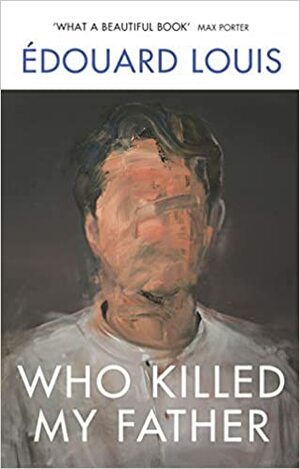 As I'm learning French, I'm trying to familiarise myself with contemporary French literature in the original. This book was a good candidate for its clear language and interesting premise. It stirred the pot by accusing current and previous French presidents of killing the father by breaking down institutions and support that could have helped him after a life-changing injury. I've found this section of the book a bit crude, though it functions as a provocative conversation starter. More than that, I've enjoyed the biographical element and the description of the complicated father-son relationship in rural France. The book is rather short, and light on some details I would have been interested in, but I'm aware that other books in the writer's oeuvre elaborate on these and his childhood in particular. Overall, it is a good entry point into Louis' writing, which left me wanting to read more from him.